
Lisbon's Hidden Neighborhoods: Beyond Alfama and Baixa
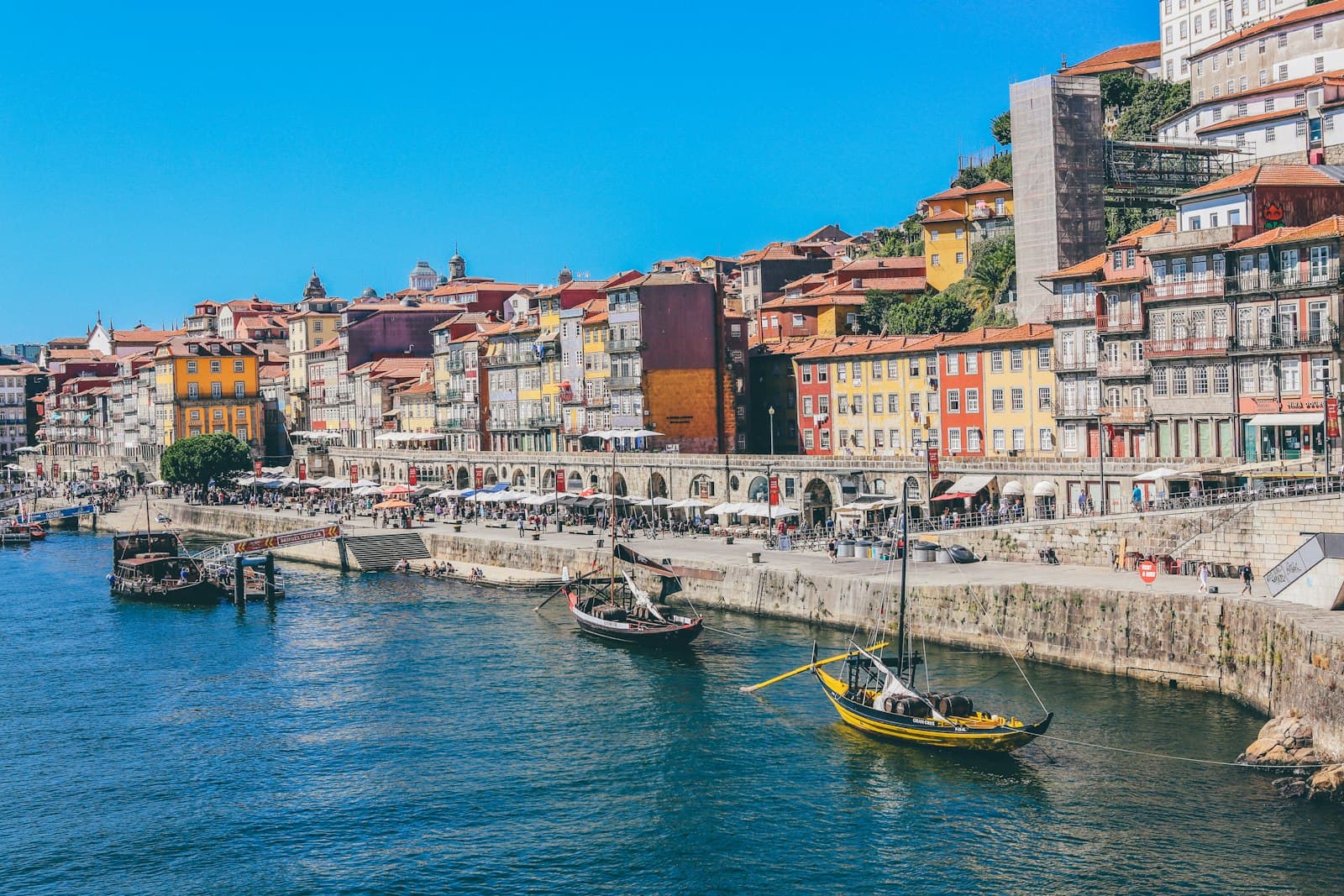
Lisbon's best-kept secrets aren't monuments or museums — they're entire neighborhoods. While most visitors stick to Alfama, Baixa, and Belém, locals live their lives in places like Mouraria, Graça, and Marvila. These are the neighborhoods where you'll find the best food, the most authentic atmosphere, and the Lisbon that guidebooks barely mention. Here's where to go when you want to see the real city.
Why You Should Explore Beyond the Tourist Trail
There's nothing wrong with Alfama or Belém — they're famous for good reason. But Lisbon is a city of neighborhoods, each with its own personality, food scene, and daily rhythm. Once you step off the well-trodden path, prices drop, crowds thin, and you start having those spontaneous moments that make travel memorable: the bakery owner who insists you try the fresh bolo de arroz, the street art mural you stumble onto around a blind corner, the neighborhood festival that wasn't in any guide.
These six neighborhoods are all easy to reach by metro, tram, or on foot. You don't need a special map or a local contact — just a willingness to wander.
Mouraria: Lisbon's Multicultural Soul
The Character
Mouraria is where fado was born — not in the polished houses of Alfama, but in the working-class taverns of this gritty, multicultural neighborhood. Named after the Moors who were confined here after the Christian reconquest in 1147, Mouraria has always been a place for outsiders. Today, it's one of Europe's most diverse neighborhoods, with communities from Bangladesh, China, Mozambique, and beyond living alongside Portuguese families who've been here for generations.
It's not polished. Some streets are rough around the edges. And that's exactly the point — Mouraria is Lisbon at its most honest.
What to Do
Start at Largo do Intendente (see Intendente section below — the two neighborhoods bleed into each other) and walk uphill into Mouraria's narrow streets. The Rua do Capelão area is the historic heart, where fado legend Maria Severa lived and died in the 19th century. At nearby Largo da Severa, a memorial plaque and a guitar motif set into the cobblestones commemorate her.
Visit the Casa da Achada, a community center and cultural space that hosts fado nights, art exhibitions, and neighborhood events. It's the kind of place where you end up staying longer than planned.
For a sense of the neighborhood's diversity, walk through Martim Moniz square — it's not the prettiest plaza, but the food stalls and the mix of languages and cultures you'll encounter here tell a story about modern Lisbon that the azulejo-covered tourist zones don't.
Where to Eat
- Zé da Mouraria — A no-nonsense tasca serving excellent traditional Portuguese food at prices that remind you what Lisbon used to cost. The arroz de pato (duck rice) and grilled fish (Fridays and Saturdays) are legendary.
- O Velho Eurico — Tiny, chaotic, and wonderful. Home-style Portuguese cooking, cheap wine, and zero pretense.
- Cozinha Popular da Mouraria — A community kitchen project where meals are cooked by locals and served at communal tables. It's as authentic as it gets.
Graça: The Local's Alfama
The Character
Graça is what Alfama might feel like without the tourist crowds. Perched on one of Lisbon's highest hills, it's a residential neighborhood with a village atmosphere — elderly residents chatting at windows, kids playing in tiny squares, and some of the city's most spectacular viewpoints.
While Alfama gets all the attention, many locals prefer Graça for its calmer pace and more genuine character. The neighborhood has gentrified somewhat in recent years, bringing good cafés and restaurants without losing its soul.
What to Do
The Miradouro da Graça is the main draw — a panoramic terrace with views over the castle, the river, and the entire city. It's popular but never as crowded as the viewpoints in Alfama. Come at sunset with a beer from a nearby shop and join the locals who gather here every evening.
For an even higher vantage point, walk to the Miradouro da Senhora do Monte — the highest viewpoint in central Lisbon. It's less visited, slightly scruffier, and arguably more beautiful.
Visit the Feira da Ladra, Lisbon's famous flea market held every Tuesday and Saturday in the Campo de Santa Clara. You'll find everything from antique tiles and vintage postcards to questionable electronics and genuine treasures. Haggling is expected and part of the fun.
Where to Eat
- Botequim da Graça — Cozy petiscos bar with excellent cheese, charcuterie, and wine. The kind of place where one drink turns into three.
- Damas — Restaurant, bar, and live music venue in one. The food is creative and affordable, and there's usually something interesting happening on the small stage.
- Jardim da Cerca da Graça — The large garden below the miradouro, with a simple kiosk café, good for a lazy afternoon coffee.
Marvila: Lisbon's Creative Frontier
The Character
Five years ago, nobody recommended Marvila to tourists. Even many Lisboetas hadn't ventured into this former industrial zone east of the city center. Today, it's Lisbon's most exciting emerging neighborhood — a landscape of converted warehouses, craft breweries, art galleries, and creative studios, all with a raw, unfinished energy that feels genuinely new.
Marvila is where Lisbon is becoming something different. It's not cute. It's not picturesque in the traditional sense. But if you want to see where the city is heading, this is the place.
What to Do
Start at the Beato Creative Hub, a massive former military complex that's been transformed into a creative campus with co-working spaces, event venues, and restaurants. The scale of the buildings is impressive — it feels like a small city within the city.
Walk along the Rua do Açúcar (Sugar Street) area, where many of the galleries and studios are concentrated. The street art in this part of Marvila is some of Lisbon's best — entire building facades covered in murals by Portuguese and international artists.
For beer lovers, Dois Corvos is a craft brewery with a taproom that's become one of Lisbon's best places to spend an afternoon. Musa is another excellent brewery nearby. The two of them have turned this stretch into an unofficial beer district.
Where to Eat
- Ponto Final — Technically across the river in Cacilhas, but worth mentioning because many Marvila visitors combine the two. Take the ferry from Cais do Sodré for incredible riverside Portuguese cooking.
- Café com Calma — A cozy spot on Rua do Açúcar with wholesome home-style cooking. Good for lunch, or just sitting with a coffee and watching the neighborhood evolve.
- 8 Marvila — Culture and dining complex in a former wine warehouse, with rotating pop-up markets, food trucks, and outdoor seating.
Príncipe Real: Elegant, Green, and Quietly Trendy
The Character
Príncipe Real has been on the radar for a few years now, but it still flies under most tourists' awareness. This is Lisbon's most elegant residential neighborhood — tree-lined streets, 19th-century palaces converted into boutique hotels, and a central garden that feels like a secret oasis above the bustle of Bairro Alto below.
It's also the heart of Lisbon's LGBTQ+ community, with a welcoming, cosmopolitan atmosphere. The shops here lean independent and curated rather than chain — think ceramics studios, vintage furniture, and small-batch olive oil.
What to Do
The Jardim do Príncipe Real is the neighborhood's living room. Sit under the enormous cedar tree — its branches have been shaped over decades into a natural canopy supported by iron poles, creating a shaded living room beneath. On weekends, an organic market sets up here with local produce, cheeses, and artisan goods.
Explore the Jardim Botânico, Lisbon's botanical garden just downhill from the square. It's a lush, slightly overgrown paradise with plants from Portugal's former colonies around the world — a living record of the country's maritime history.
For shopping, wander along Rua da Escola Politécnica and the streets branching off it. Embaixada is a concept store housed in a stunning 19th-century palace — each room features a different Portuguese designer or brand.
Where to Eat
- A Cevicheria — Chef Kiko Martins' Peruvian-Portuguese fusion spot. The ceviche is outstanding, and the giant octopus sculpture hanging from the ceiling is something you need to see.
- Tapisco — Also by Kiko Martins, focusing on Portuguese-Spanish tapas. More casual, equally delicious.
- Café Janis — The neighborhood's favorite hangout. Brunch, cocktails, and people-watching from the terrace.
Alcântara: Industrial Charm Below the Bridge
The Character
Alcântara sits in the shadow of the 25 de Abril Bridge (yes, it looks like the Golden Gate — same color, same design type, built by the same U.S. company that also worked on the San Francisco–Oakland Bay Bridge). This was Lisbon's industrial heartland, and the neighborhood still carries that energy — old factory buildings, wide streets, and a grittier feel than the historic center.
The transformation is ongoing. LX Factory, the famous creative complex, is here, but Alcântara is more than just one destination. The waterfront is evolving, new restaurants are opening in former warehouses, and the neighborhood offers a different perspective on how Lisbon works as a living city.
What to Do
LX Factory is the obvious starting point — a former textile factory turned creative village with bookshops (including Ler Devagar, one of the world's most beautiful bookstores), galleries, restaurants, and weekend markets. It's touristy by now, but still genuinely interesting.
Walk along the Doca de Alcântara waterfront, where old warehouses have been converted into restaurants and bars with river views. The marina here is pleasant for an afternoon stroll.
For something different, find the Tapada das Necessidades, a former royal garden that's now a public park. It's rarely visited by tourists and genuinely peaceful — winding paths, ancient trees, a small lake with ducks, and views over the river.
Where to Eat
- Chef Nino — One of the original LX Factory spots, open from morning to night, known for its popular weekend brunch, crêpes, and homemade ice cream.
- Landeau Chocolate — The chocolate cake here is obscenely good. It's dense, rich, and worth the wait.
- Cantina LX — Restaurant with a terrace at LX Factory, furnished with pieces from the original 1846 factory canteen. Portuguese cooking from the wood oven.
Intendente: The Comeback Story
The Character
A decade ago, Intendente was one of Lisbon's roughest areas — known for drugs, prostitution, and neglect. Today, it's one of the city's most remarkable transformation stories. The centerpiece is Largo do Intendente, a grand square that's been beautifully restored with tiled facades, outdoor cafés, and a lively mix of locals and visitors.
What makes Intendente special is that the revival has been relatively organic. Yes, there are hip cafés and boutiques, but the neighborhood still has its original residents, its mom-and-pop shops, and its rough edges. It's gentrification in progress, for better and worse, and it's fascinating to witness.
What to Do
Start at Largo do Intendente and admire the stunning azulejo facade of the Viúva Lamego tile factory — a building covered floor to rooftop in decorative tiles. The workshop was founded in 1849, and although the historic showroom on the square closed in 2021, the facade remains one of Lisbon's most photographed tile masterpieces.
For a detour into fado history, make time for the Casa do Fado e da Guitarra Portuguesa in nearby Alfama (a short tram ride or walk away), a small museum whose collection of instruments, photographs, and memorabilia tells a compelling story.
Explore the streets between Intendente and Mouraria — this is the transition zone where the two neighborhoods merge, and it's full of interesting shops, multicultural restaurants, and community art projects.
Where to Eat
- Cova Funda — A traditional tasca in Intendente since 1954, known for polvo à lagareiro (octopus) and other Portuguese comfort food at fair prices.
- Brick Café — One of Lisbon's brunch pioneers (open since 2013), combining classic brunch dishes with Portuguese specialties like octopus salad, on Rua de Moçambique just off the square.
- Infame — The restaurant of the Hotel 1908 Lisboa, right on Largo do Intendente. Its large terrace is perfect for a long afternoon of wine and people-watching.
How to Explore These Neighborhoods
None of these areas require special planning or transport. They're all within walking distance of the center (with varying degrees of hill-climbing), connected by metro, or a short tram ride away.
The best approach? Pick one or two per day and let yourself wander. Don't over-schedule. The whole point of visiting Lisbon's hidden neighborhoods is to experience the city at its most unscripted — the café you didn't plan to sit in, the viewpoint you found by accident, the meal that started as a snack and turned into a two-hour affair.
Discover Hidden Lisbon with Travee
The tourist neighborhoods are well-documented. These hidden gems? That's where a local perspective makes all the difference. Travee's AI builds personalized itineraries that go beyond the obvious — routing you through the neighborhoods where Lisbon actually lives, with audio guides that share the stories, the history, and the food tips you won't find in standard guidebooks.
Discover hidden gems in Lisbon with Travee
The real Lisbon isn't hiding. It's just waiting in the neighborhoods most visitors walk past.